
The Ultimate Guide to Warehouse Pallet Racking Systems
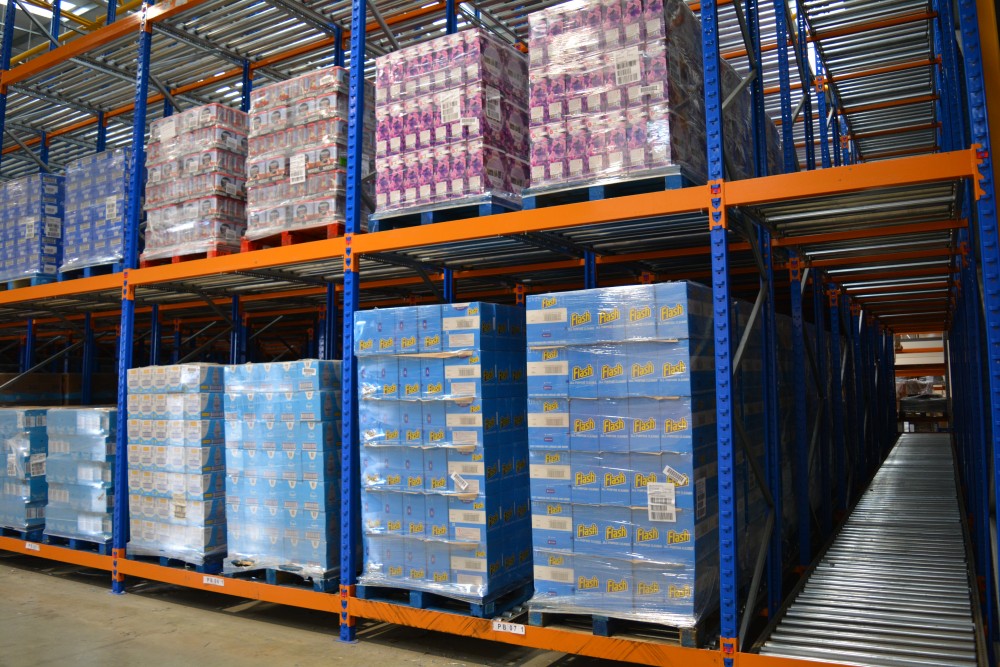
Selecting the right warehouse pallet racking system maximizes storage density, streamlines inventory retrieval, and reduces operational overhead. Storage space is one of the highest ongoing expenses for industrial facilities, and wasting vertical volume cuts directly into profitability. Configuring a racking system to match your specific pallet dimensions, turnover rates, and forklift equipment transforms raw square footage into an efficient distribution engine. Understanding key system designs allows warehouse managers to optimize floor plans and maintain safe, high-throughput operations.
Selective Pallet Racking for Maximum Accessibility
Selective pallet racks Los Angeles is the most common and versatile storage system available, offering immediate direct access to every single pallet load. This open-access design eliminates the need to move surrounding inventory to reach a specific item, making it ideal for facilities handling high numbers of unique stock keeping units.
Forklifts can access any pallet bay at any time, which accelerates picking speeds and reduces handling times. While selective racking provides lower overall storage density compared to high-density alternatives due to the required aisle space, its simplicity and low initial installation cost make it the benchmark choice for fast-moving consumer goods and multi-SKU distribution centers.
High-Density Storage with Drive-In and Push-Back Racking
When floor space is limited and storage density takes priority over individual accessibility, high-density racking configurations provide an effective solution. Systems like Drive-In and Push-Back racking eliminate multiple forklift aisles, consolidating storage into dense, multi-level blocks.
Drive-In racking allows forklifts to drive directly into the racking lane to deposit or retrieve pallets, operating on a Last-In, First-Out inventory flow. Push-Back racking utilizes nested, wheeled carts resting on inclined rails; each new pallet loaded onto the front pushes the previous pallet back into the lane. When a front pallet is unloaded, gravity rolls the next pallet forward into the picking position. These systems dramatically increase cubic storage efficiency for bulk inventory with low SKU variation.
Gravity-Fed Pallet Flow Racking for Seamless FIFO Operations
Pallet flow racking utilizes inclined roller tracks and centrifugal brakes to move pallets automatically from the loading aisle to the picking aisle via gravity. This design creates a strict First-In, First-Out inventory management workflow, ensuring older inventory is consistently selected before newer arrivals.
By separating loading activities from retrieval aisles, pallet flow racking reduces forklift traffic congestion and improves warehouse safety. The automated movement of heavy pallet loads minimizes forklift travel distance inside the rack structure, cutting fuel consumption and labor costs. This configuration is widely used in cold storage facilities, food distribution centers, and date-sensitive product warehouses.
Optimizing Vertical Cube Space for Sustainable Operations
Unlocking the full potential of your warehouse footprint requires thinking vertically rather than expanding outward into costly new real estate. Utilizing tall, heavy-duty racking frames paired with specialized narrow-aisle reach trucks allows facilities to store inventory up to thirty feet high or more. This vertical optimization increases total pallet capacity without expanding the physical foundation of your building.
Properly engineered racking systems also support overall operational sustainability by streamlining equipment movements. Reduced forklift travel distances mean less wear on tires, lower battery charge frequency, and reduced overall energy consumption across daily shifts. Investing in an adaptable racking infrastructure ensures your distribution network scales cleanly as business inventory volumes grow over time.
Conclusion
Choosing the right warehouse pallet racking system is a critical operational decision that impacts storage capacity, order fulfillment speeds, and overall safety. Matching your storage architecture to your specific inventory turnover rates, SKU variety, and material handling equipment optimizes internal workflows and lowers operating expenses. Whether your facility benefits from the accessibility of selective racking or the high-density capacity of flow systems, proper installation and ongoing maintenance protect your capital investment. Upgrading your warehouse racking layout secures your inventory, protects your workforce, and drives continuous productivity across your supply chain.