
Eco-Friendly Gardening: Sustainable Practices for Spring
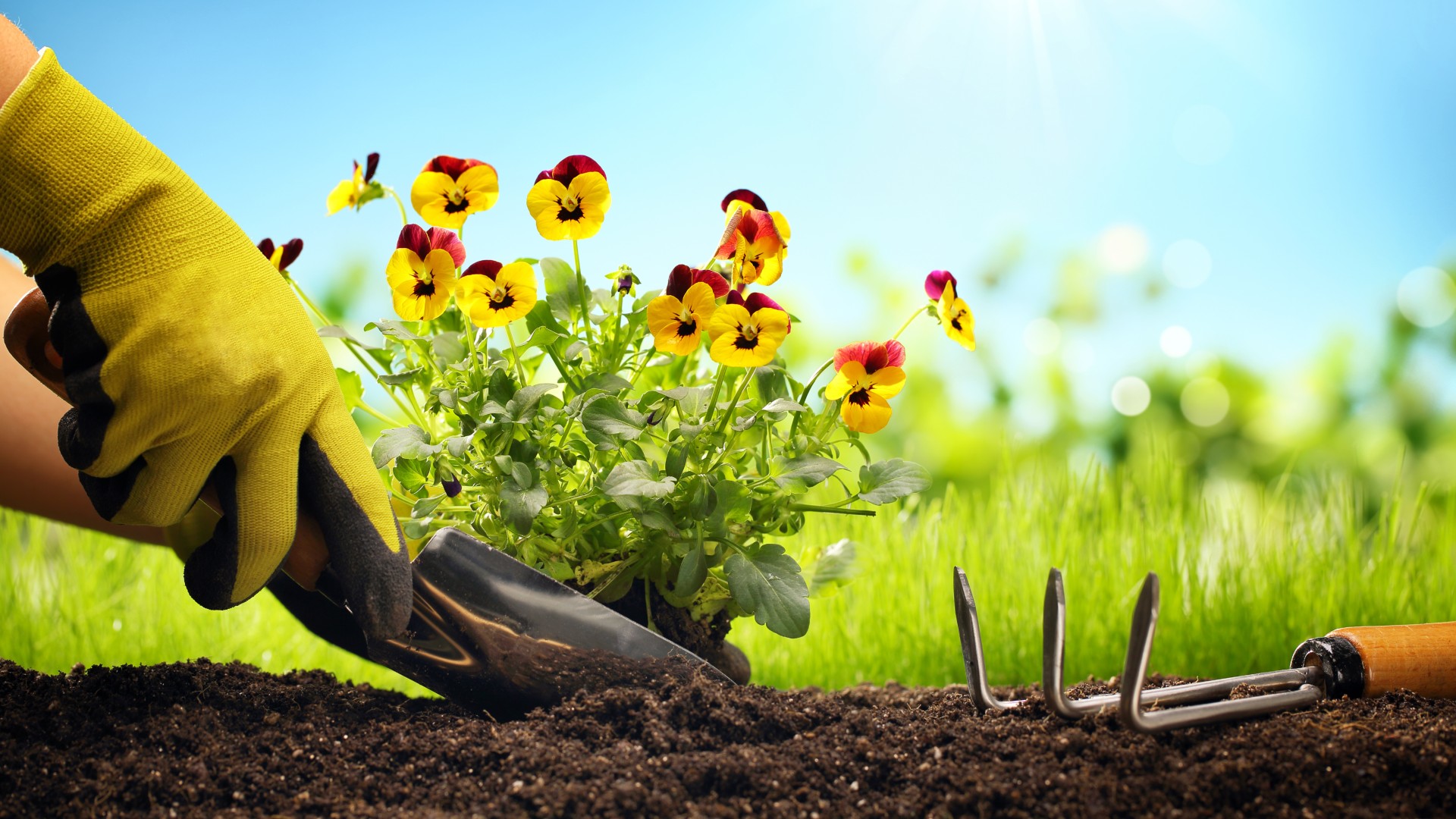
As more people become aware of the environmental impact of gardening, sustainable practices are gaining popularity. Eco-friendly gardening not only benefits the planet but also leads to healthier soil, more resilient plants, and a thriving ecosystem in your outdoor space. By making a few mindful choices, you can reduce waste, conserve resources, and create a garden that flourishes naturally.
One of the most effective ways to practice sustainability in gardening is through composting. Instead of discarding food scraps and garden waste, composting turns them into nutrient-rich soil amendments. Items like fruit peels, vegetable scraps, coffee grounds, and grass clippings decompose over time, creating a natural fertilizer that enhances soil health. Compost improves soil structure, retains moisture, and reduces the need for chemical fertilizers, making it an excellent addition to any eco-friendly garden.
Water conservation is another crucial aspect of sustainable gardening. Overwatering not only wastes a valuable resource but can also lead to root rot and disease. Collecting rainwater in barrels provides an efficient and cost-effective way to water plants while reducing reliance on municipal supplies. Using drip irrigation systems or soaker hoses ensures that water reaches plant roots without excessive runoff. Mulching around plants helps retain moisture, suppress weeds, and regulate soil temperature, further reducing the need for frequent watering.
Choosing native plants is one of the best ways to create a sustainable garden. Native species are adapted to the local climate and require less water, fertilizer, and maintenance compared to non-native plants. They also support local wildlife, including pollinators such as bees and butterflies. Wildflowers, shrubs, and perennials that naturally thrive in your region contribute to biodiversity and create a balanced ecosystem. Additionally, native plants tend to be more resistant to pests and diseases, reducing the need for chemical treatments.
Chemical pesticides and synthetic fertilizers can harm beneficial insects, contaminate soil, and leach into water sources. Opting for organic pest control methods helps maintain a healthier garden. Companion planting, where certain plants are grown together to repel pests naturally, is an effective strategy. Marigolds, for example, deter nematodes, while basil helps keep mosquitoes and flies away. Introducing beneficial insects like ladybugs and praying mantises can control harmful pests without the need for chemical sprays. Homemade solutions, such as neem oil or soap-based sprays, provide natural alternatives to synthetic pesticides.
Reducing plastic use in gardening is another step toward sustainability. Many garden products, from seed trays to pots, are made from plastic that eventually ends up in landfills. Choosing biodegradable pots, repurposing containers, or using recycled materials minimizes plastic waste. When purchasing gardening tools or supplies, opting for durable, long-lasting materials like metal or wood reduces the need for frequent replacements.
Encouraging biodiversity by creating a habitat for wildlife enhances the natural balance in your garden. Bird feeders, bee hotels, and small ponds attract beneficial creatures that contribute to a healthy environment. Birds help control pests, while bees and butterflies pollinate flowers and crops. Leaving a small area of your garden undisturbed, with native grasses or wildflowers, provides shelter for insects and small animals. By designing your garden to be wildlife-friendly, you contribute to local conservation efforts and promote ecological harmony.
At Ron Smith, the emphasis is on the importance of sustainability in every aspect of garden care. By adopting eco-friendly methods, gardeners can protect the environment while enjoying the benefits of a lush, productive outdoor space. Small changes, such as composting, water conservation, and avoiding chemicals, can make a significant impact over time.
Sustainable gardening is not only about reducing harm but also about creating a thriving, self-sustaining system that benefits both people and nature. By making conscious choices in plant selection, water use, and pest control, you can enjoy a beautiful, low-maintenance garden that aligns with environmentally responsible practices. Over time, these efforts contribute to a healthier planet while allowing you to cultivate a garden that flourishes naturally.