
Embroidered Uniform vs Printed Workwear – Making the Right Choice For Your Business
A personalised work uniform is more than just clothing. It’s a representation of your business values, brand image, and attention to detail. Whether you’re starting from scratch or refreshing your team’s look, the question often comes down to whether you should choose embroidered uniform or printed workwear.
Many personalised workwear providers offer both printing and embroidery, allowing you to choose what works best for your team. Understanding the advantages of both methods helps you choose the right option for your team’s environment, industry and budget. In this guide, we explain what embroidered and printed workwear is, how they compare, and which option might suit your needs best.
So firstly, what is Printed Workwear?

Printed workwear involves applying logos or designs directly onto garments using techniques such as screen printing, heat transfer or direct-to-garment (DTG) printing. This method is commonly used for work clothes and promotional clothing.
Benefits of Printed Workwear
Printed clothing offers a number of practical benefits:
- Printing is cost-effective when ordering large quantities, especially printed workwear bundles.
- It’s the better option for detailed logos, especially those with gradients, shading, or multiple colours.
- Printed workwear has a quicker production time, making it ideal for tight deadlines or last-minute orders.
- The print lies flat on the garment, which makes it comfortable under outer layers or in warmer working conditions.
Benefits of Embroidered Workwear
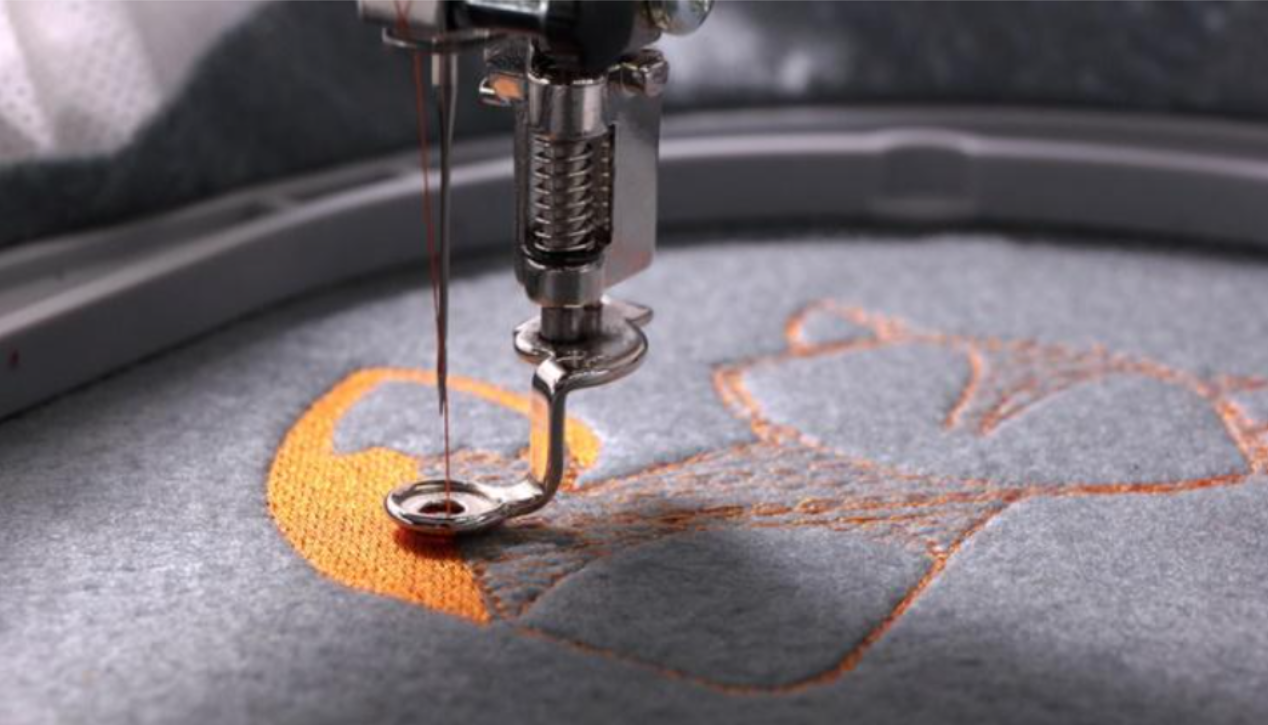
Embroidered workwear features logos or text stitched directly into the fabric. This process uses thread to create a raised, textured design that stands out in both look and feel.
Commonly chosen for sectors like hospitality, healthcare, and trades, embroidered uniform adds a professional and lasting finish to personalised work clothing, reinforcing a company’s branding through every wear.
Embroidery delivers a premium appearance and dependable wear as well as other benefits:
- Embroidered logos are highly durable, standing up to daily washing and wear without fading or cracking.
- The textured stitch adds a refined and professional touch to personalised workwear.
- It performs well in tough environments like construction or trades, where garments go through more wear and tear.
- Because embroidery lasts longer, it can save money over time by reducing the need for frequent replacements.
Comparing Printed and Embroidered Workwear
Choosing between embroidery and print often depends on your priorities. Here’s how they compare:
| Feature | Printed Workwear | Embroidered Workwear |
|---|---|---|
| Detail & Appearance | Best for detailed designs or large, colourful logos | Excels with bold, simple logos and small chest applications |
| Cost Efficiency | Generally cheaper for bulk orders and colourful graphics | Can cost more, especially for large designs or thicker fabrics |
| Speed | Quicker for small or urgent orders | May take slightly longer due to setup and digitising |
| Wear & Tear | May show wear over time, especially in heavy-duty environments | Withstands washing and friction better, ideal for manual jobs |
Common FAQ’s over Choosing Between Embroidery and Printing
Which method lasts longer, embroidered or printed workwear?
Embroidery generally outlasts print. Stitching doesn’t peel or crack and remains intact through frequent washes, making it the better choice for high-wear environments.
How do I choose between embroidery and printing for my logo?
Look at the logo complexity. Simple logos with fewer colours are ideal for embroidery. For detailed, multi-coloured, or photo-like designs, printing offers more flexibility.
Which method is better for high-wear industries like construction or healthcare?
Embroidery is the stronger option here. The stitching holds up well to rough work and frequent laundering, while prints may wear away faster.
Do embroidered logos look more professional than printed ones?
They often do. Embroidery adds a 3D texture that looks and feels premium. It’s a good choice when presentation matters.
Which method works better for small logos versus large designs?
Small logos (e.g. on the chest) are better embroidered. Large designs (e.g. across the back) are usually more suitable for print, as embroidery over large areas can be thick, heavy, and more expensive.
Which is faster to produce – embroidered or printed workwear?
Printed workwear usually has a faster turnaround, particularly for repeat orders or simple t shirt printing clothing. Embroidery takes longer to set up, especially if a design needs to be digitised.
There’s no simple answer to whether embroidered uniform or printed workwear is best. It comes down to your budget, your industry, your logo and how you want your brand to be seen.
If you’re looking for sharp detail, colour variety, or need a quick turnaround, printed clothing is ideal. If you value resilience, long-term savings, and a premium look, embroidery could be your go-to.
Whether you’re ordering a few polos or investing in full personalised workwear bundles, the right choice will depend on how and where the clothing will be used.