
Interesting Economic Challenges Facing Our Society
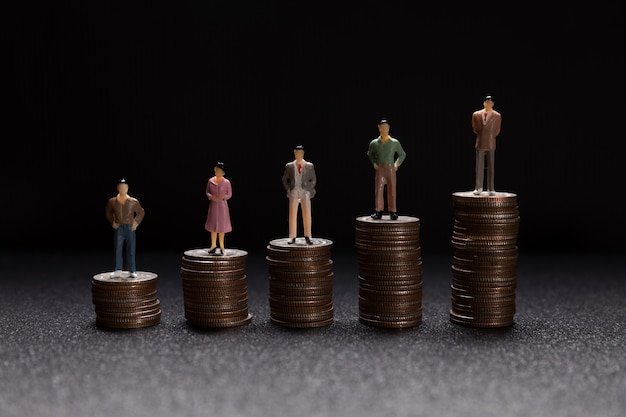
In the vibrant tapestry of modern life, current economic challenges loom large, impacting individuals and communities alike. From the rise of automation to the persistent specter of inequality, these obstacles shape the landscape of our economy and influence the quality of life for millions. By delving into these challenges in society, we can gain a deeper understanding of the economic issues today and explore innovative ways to address them.
1. The Automation Dilemma
One of the most significant economic issues today is the rapid advancement of automation and artificial intelligence (AI). While these technologies promise increased efficiency and productivity, they also pose a formidable threat to traditional jobs. As machines take over routine tasks, workers in sectors such as manufacturing, retail, and even white-collar professions face displacement.
For instance, self-checkout systems in supermarkets and automated warehouses are transforming the retail landscape, reducing the need for human labor. This shift raises crucial questions about the future of work and the need for upskilling and reskilling programs. Addressing these economic concerns requires a concerted effort from governments, businesses, and educational institutions to create pathways for displaced workers to transition into new roles.
2. Rising Income Inequality
Income inequality is another pressing economic challenge that reverberates through society. The gap between the wealthy and the poor continues to widen, exacerbated by various factors such as globalization, technological advancement, and fiscal policies favoring the affluent.
As the rich accumulate wealth at an unprecedented rate, the middle and lower classes struggle to keep pace. This disparity not only affects individual livelihoods but also erodes social cohesion and stability. Communities with stark economic divides often experience heightened tensions and reduced trust in institutions. To combat this issue, policymakers must prioritize inclusive growth strategies that foster economic opportunities for all. Implementing progressive taxation, investing in education, and supporting small businesses can help address these pressing economic issues.
3. The Burden of Debt
Debt, both personal and national, poses a significant threat to economic stability. In many countries, citizens are grappling with overwhelming student loans, credit card debt, and mortgages that strain their finances. This financial burden can stifle consumer spending, which is a vital component of economic growth.
On a larger scale, national debt levels are soaring, raising concerns about long-term sustainability. Governments often resort to borrowing to fund social programs and infrastructure, but excessive debt can lead to higher taxes and reduced public services in the future. Addressing these economic concerns requires a multifaceted approach, including financial education for individuals and prudent fiscal policies for governments to ensure responsible borrowing and sustainable economic growth.
4. The Environmental Crisis
As the world grapples with the reality of climate change, the environmental crisis presents an increasingly complex economic challenge. Natural disasters, resource depletion, and environmental degradation threaten livelihoods and exacerbate existing inequalities.
The economic implications are profound. Industries dependent on natural resources, such as agriculture and fishing, face disruption due to changing climates and dwindling stocks. Additionally, the cost of mitigating climate change and adapting to its impacts can strain public finances. To address these economic issues today, society must transition toward sustainable practices. Investing in renewable energy, supporting green technologies, and enforcing stricter environmental regulations can pave the way for a more resilient economy that prioritizes both people and the planet.
5. Global Economic Uncertainty
In an increasingly interconnected world, global economic uncertainty poses a formidable challenge. Events such as trade disputes, geopolitical tensions, and pandemics can reverberate across borders, affecting economies worldwide.
The COVID-19 pandemic starkly highlighted the fragility of global supply chains and the vulnerability of economies to external shocks. Many businesses were forced to adapt to sudden disruptions, leading to layoffs and economic downturns. To navigate this uncertainty, nations must foster collaboration and resilience. Strengthening international partnerships, diversifying supply chains, and investing in innovation can help societies better withstand future shocks while ensuring sustainable economic growth.
6. Healthcare Accessibility and Affordability
Access to affordable healthcare remains a significant economic issue today, particularly in countries where healthcare costs are skyrocketing. Many individuals are burdened by exorbitant medical bills, leading to financial hardship and even bankruptcy.
This lack of access not only affects individual health but also has broader economic implications. A healthy workforce is essential for productivity and economic growth; when people are unwell or unable to afford necessary care, it stifles their potential contributions to society. Addressing healthcare accessibility requires comprehensive reforms that prioritize affordability, quality, and accessibility for all.
Conclusion
The economic challenges facing our society are diverse and multifaceted, encompassing technological advancements, inequality, debt, environmental crises, global uncertainty, and healthcare accessibility. While these challenges in society may seem daunting, they also present opportunities for innovation and collaboration.
By fostering inclusive growth, investing in education and sustainability, and promoting equitable healthcare, we can create a more resilient and prosperous future. Addressing economic issues today requires a collective effort from all sectors of society, ensuring that everyone has a stake in building a better tomorrow. The road ahead may be fraught with obstacles, but with determination and cooperation, we can navigate the complexities of our economic landscape and emerge stronger than ever.