
The Role of Surveys in the Home Buying Process
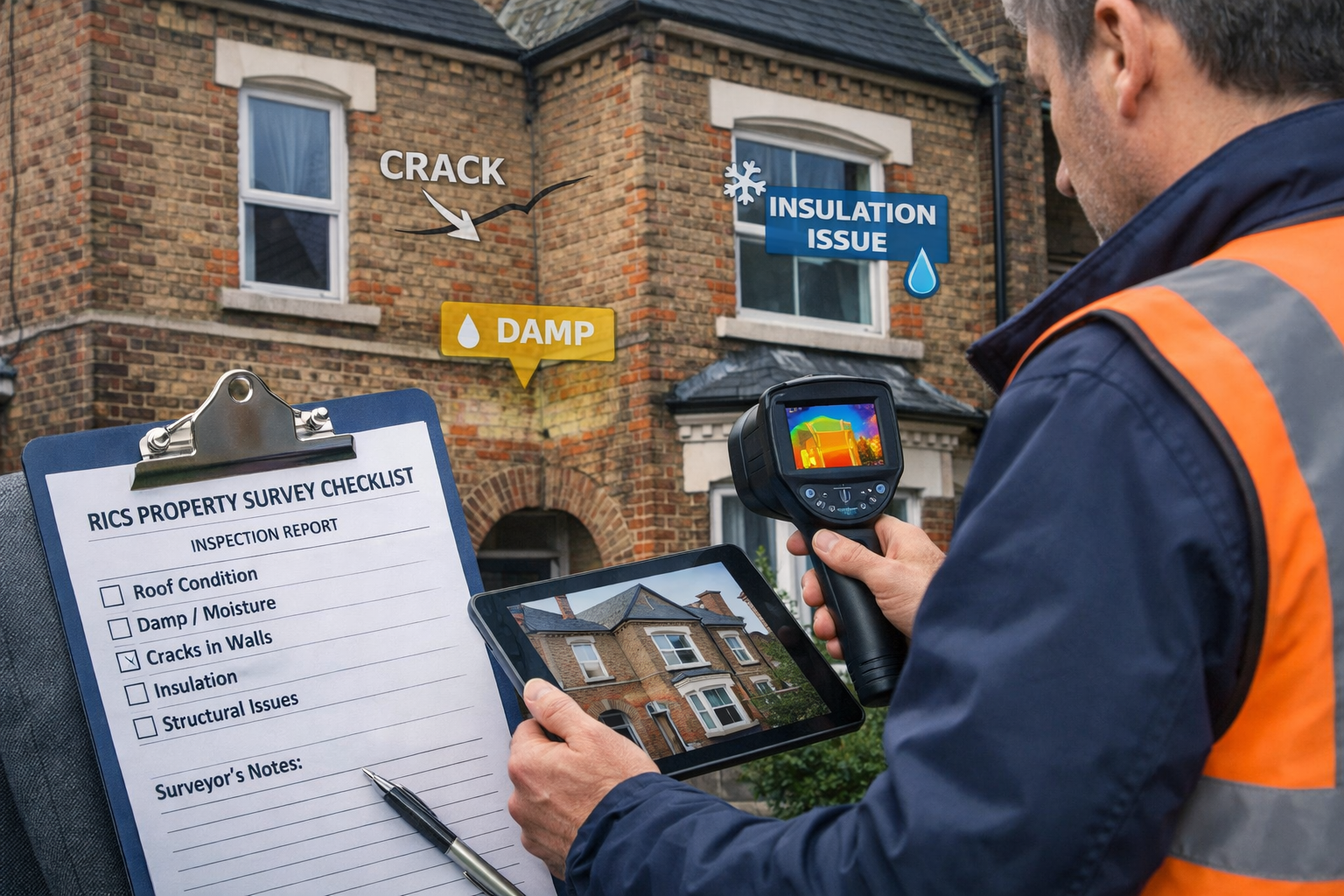
When buying a home in the UK, it is easy to focus on the offer price, mortgage arrangements, and conveyancing, while overlooking one crucial step: the property survey. Although not legally required, a survey plays a vital role in helping buyers understand the condition of a property before committing to the purchase. It can also influence negotiations, timescales, and long-term costs, making it an essential part of informed decision-making, something estate agents in Rushden often encourage buyers to prioritise for a smoother transaction.
Why Property Surveys Matter
A property survey provides an independent assessment of a home’s condition. Unlike viewings, which are often brief and cosmetic, surveys are designed to uncover issues that may not be immediately visible. These can include damp, roof defects, structural movement, insulation problems, or outdated services.
Without a survey, buyers take on the risk of discovering expensive repairs after completion. For both first-time buyers and experienced movers, surveys offer reassurance and clarity at a point where significant financial commitments are being made.
Mortgage Valuation vs Buyer Survey
Many buyers assume that the mortgage valuation carried out by a lender provides sufficient protection. In reality, a lender’s valuation is conducted solely for the bank or building society to ensure the property is suitable security for the loan. It does not offer a detailed inspection and may not highlight defects that could affect the buyer.
A separate buyer-commissioned survey is therefore strongly recommended, regardless of whether the property is freehold or leasehold.
Types of Property Surveys in the UK
There are several survey options available, and choosing the right one depends on the property type, age, and condition.
HomeBuyer Report
This is one of the most common surveys and is suitable for standard, relatively modern properties in reasonable condition. It highlights urgent or significant issues, provides advice on repairs, and often includes a market valuation and insurance rebuild cost.
Building Survey
Previously known as a full structural survey, this is the most detailed option. It is particularly well suited to older properties, listed buildings, or homes that have been extended or significantly altered. The report offers in-depth analysis of construction, defects, and long-term maintenance considerations.
Condition Report
This is a more basic overview, grading the condition of key elements such as walls, roofs, and windows. While it is the least detailed, it can still be useful for newer homes where major issues are unlikely.
How Surveys Influence the Buying Process
Survey findings often play a key role in negotiations. If significant defects are identified, buyers may choose to renegotiate the purchase price, request repairs, or ask for specialist reports before proceeding. In some cases, issues flagged in a survey can affect mortgage approval, particularly if essential repairs are required.
Surveys can also have implications for timings. Additional investigations may be needed, which can extend the conveyancing process, especially in property chains where everyone is working towards a shared exchange and completion date.
Surveys, EPC Ratings, and Ongoing Costs
Surveys increasingly consider aspects such as insulation, ventilation, and general energy efficiency, which complement the property’s EPC rating. While EPCs focus on energy performance, surveys provide practical insight into how a home performs day to day and what improvements may be needed. This information helps buyers budget for future costs, including maintenance, heating, and potential upgrades.
Choosing a Qualified Surveyor
Buyers should always use a surveyor regulated by the Royal Institution of Chartered Surveyors (RICS). A qualified surveyor with local knowledge will be familiar with common issues affecting properties in the area and can provide clear, practical advice.
It is also important to read the report carefully and discuss any concerns directly with the surveyor, rather than relying solely on written summaries.
Balancing Cost and Peace of Mind
While surveys represent an upfront expense, they often save buyers money in the long run. Understanding the true condition of a property allows for realistic budgeting and helps avoid unexpected repair costs after moving in.
Conclusion
Surveys play a crucial role in the UK home buying process by providing buyers with essential information about a property’s condition. From influencing negotiations to supporting informed budgeting, they offer protection and peace of mind at a critical stage. By choosing the right type of survey and acting on the findings, buyers are better equipped to make confident, well-informed decisions about their next home.