
The Silent Force: The Role of Hydraulic Manufacturers in Modern Industrial Automation
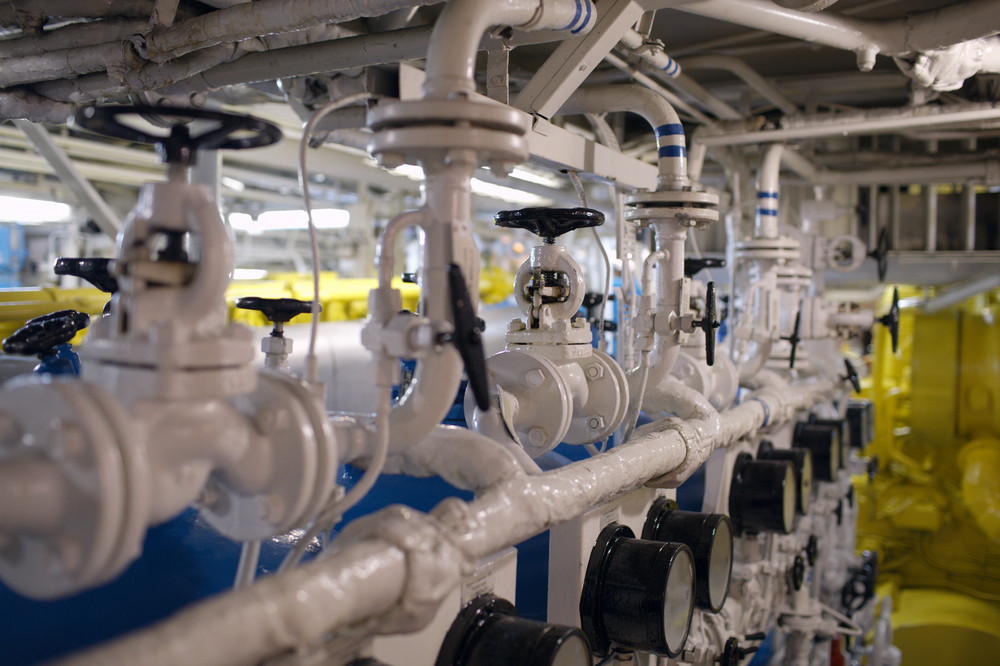
In the fast-paced world of industrial automation, much of the public attention is focused on the digital brains of the operation, such as artificial intelligence and complex software. However, the physical muscle that executes these digital commands is just as vital. Hydraulic manufacturers play a central role in this landscape, providing the high-force capabilities and precision control required for heavy-duty automation. While electrical actuators have gained ground in smaller applications, hydraulics remains the undisputed king of power density, allowing modern factories to move massive loads with a degree of finesse that was once thought impossible.
Engineering the Muscle of Heavy Industry
The primary contribution of hydraulic manufacturers to the automation sector is the development of components that can handle immense pressure while maintaining extreme accuracy. In industries like automotive manufacturing, aerospace assembly, and heavy metal forging, the sheer weight of the materials being handled exceeds the practical limits of most electric motors. Hydraulic cylinders and actuators can exert thousands of pounds of force in a compact footprint, allowing designers to build smaller, more efficient machines that do not sacrifice power.
Modern manufacturers have moved far beyond the simple pumps and valves of the past. Today, they produce sophisticated servo-hydraulic systems that integrate electronic sensors directly into the mechanical hardware. these smart components provide real-time feedback to a central control system, allowing a machine to adjust its force and position in milliseconds. This integration of fluid power with electronic control is what enables a multi-ton press to shape a car door with sub-millimeter precision, ensuring that automated assembly lines can maintain high speeds without compromising on quality.
Driving Energy Efficiency and Sustainability
As global industries face increasing pressure to reduce their environmental impact, hydraulic manufacturers have stepped up with innovations focused on energy conservation. Older hydraulic systems were often criticized for being noisy and inefficient, as pumps would run at full speed even when the machine was idle. To solve this, manufacturers have developed variable-speed drive systems and load-sensing technologies that allow a hydraulic unit to draw only the exact amount of power needed for a specific task.
Furthermore, the industry has seen a shift toward more sustainable fluid options. Manufacturers are now designing components compatible with biodegradable fluids and water-based mixtures, reducing the risk of environmental contamination in the event of a leak. By focusing on these green technologies, hydraulic manufacturers are ensuring that fluid power remains a viable and responsible choice for the next generation of automated factories. This focus on efficiency not only helps the planet but also reduces the operating costs for the end-user, making automation more accessible to a wider range of businesses.
Reliability in Harsh Environments
Industrial automation often takes place in environments that would be hostile to delicate electronic components. Foundries, mines, and offshore oil platforms are filled with heat, dust, and moisture that can cause electrical systems to short or fail. Hydraulic manufacturers specialize in creating robust, sealed systems that thrive under these conditions. The inherent durability of fluid power components makes them the preferred choice for automated tasks that require high uptime in difficult settings.
Because hydraulic systems are self-lubricating and can dissipate heat through the fluid itself, they are less prone to overheating during continuous, high-cycle operations. Manufacturers provide the protective coatings, advanced sealing materials, and heavy-duty housings that allow automation to penetrate the toughest corners of the industrial world. This reliability is the foundation upon which global supply chains are built, ensuring that the heavy lifting of the world continues without interruption.
Conclusion
Hydraulic manufacturers are far more than just suppliers of mechanical parts; they are essential partners in the ongoing evolution of industrial automation. By combining raw physical power with sophisticated digital controls and a commitment to energy efficiency, they provide the necessary tools for modern industry to grow. As automation continues to expand into new sectors, the role of fluid power will remain indispensable. The synergy between high-tech software and high-force hydraulics ensures that the factories of the future will be faster, stronger, and more precise than ever before, proving that even in a digital age, the importance of mechanical excellence remains absolute.