
What is the difference between ISA and savings accounts in Singapore?
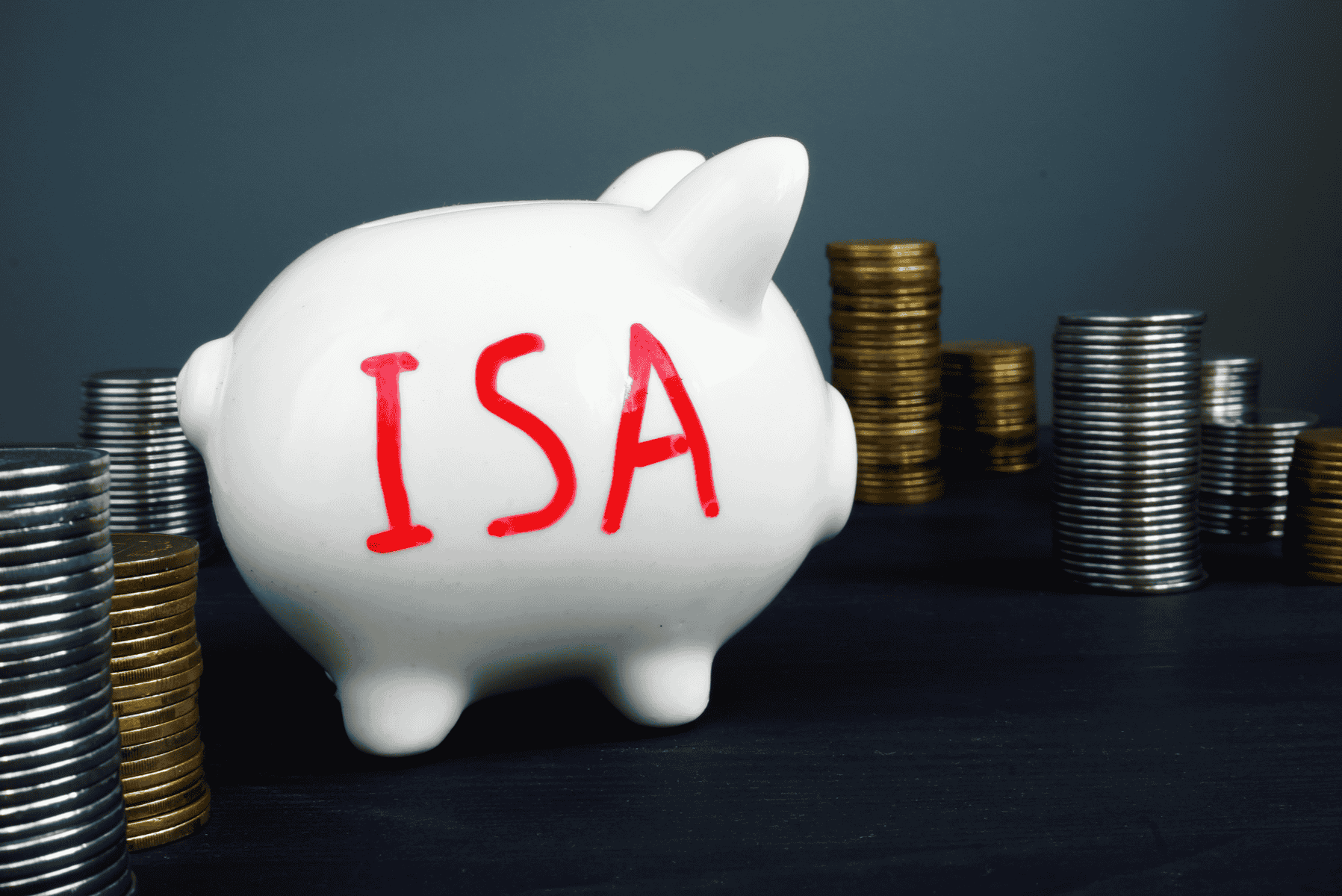
When it comes to saving money, individuals in Singapore have a wide array of options to choose from to meet their financial goals. Two of the most popular methods are through Individual Savings Accounts (ISA) and regular savings accounts. You can find them through brokers such as Saxo Bank.
An Individual Savings Account (ISA) is a flexible, tax-efficient way to save and invest money and offers various investment options, like stocks and mutual funds. Individuals can benefit from tax advantages such as tax-free growth and withdrawal with an ISA. It makes ISAs an excellent choice for long-term savings and investment purposes.
A regular savings account is a typical bank account that allows individuals in Singapore to
deposit money, keep it safe, and withdraw funds as needed. These accounts usually require very little to no minimum balance, making them accessible to many individuals. While the interest rates on regular savings accounts may be relatively low, they offer consistency and stability, making them suitable for short-term savings goals or emergency funds.
Choosing between an ISA and a regular savings account depends on individual financial objectives and risk tolerance. Both options allow individuals to build their financial safety net and work towards their savings goals.
Exploring Individual Savings Accounts (ISA)
An Individual Savings Account (ISA) is a class of retail investment arrangements available to residents of Singapore. Unlike traditional savings accounts, ISAs offer tax-free interest and gains, making them a desirable option for individuals looking to grow their wealth. ISAs come in different forms, catering to investment preferences and risk appetites. For those seeking a more conservative approach, Cash ISAs provide a secure and accessible investment avenue.
On the other hand, for individuals willing to accept more risk, Stocks and Shares ISAs offer the opportunity to invest in multiple assets, such as equities and bonds. Each type of ISA has unique advantages and tax implications, providing investors with flexibility and choice in their investment journey.
Critical differences between ISA and savings accounts
The significant difference between an ISA and a regular savings account in Singapore lies in their tax treatment. Interest earned on a standard savings account is taxable, whereas interest earned on an ISA is tax-free. Additionally, the annual interest rates for ISAs are typically more competitive than those savings accounts.
While a savings account allows you to deposit and withdraw money whenever you want, ISAs have certain restrictions on the amount that can be contributed each year. The annual contribution limit for an ISA in Singapore is $20,000.
Another critical difference between the two is their investment options. Savings accounts usually offer a fixed interest rate, whereas ISAs allow you to invest in assets such as stocks, bonds, and mutual funds. It means that while savings accounts are generally considered low-risk investments, ISAs carry more risk but also have the possibility for higher returns.
Benefits of savings accounts
One benefit of a regular savings account is its simplicity. With no minimum balance requirement and easy access to your funds, it is a convenient and hassle-free way to save money for those who prefer low-risk investments.
The interest earned on savings accounts can be compounded over time, meaning that you not only earn interest on your first deposit but also on the interest itself. This compounding effect can significantly boost the amount saved and help you reach your financial and retirement goals faster.
Advantages of ISAs
ISAs offer many benefits that make them an attractive option for those looking to save and invest their money. As mentioned earlier, the interest earned on ISA is tax-free, meaning you can keep all your gains without paying taxes.
ISAs also provide diverse investment options, allowing you to tailor your portfolio to your risk strategy and investment goals. It can help you achieve higher returns compared to traditional savings accounts.
ISAs offer a tremendous long-term saving solution as they have no time limit on when you need to withdraw your funds. It provides flexibility for individuals who may not need immediate access to their money but want to save for the future.
Which is right for you?
Deciding between an ISA and a savings account comes down to your financial hurdles, needs and goals. If you are looking for a low-risk option with easy access to funds, a regular savings account is a good savings plan and the right choice. However, if you are willing to take on more risk and want the potential for higher returns while enjoying tax-free gains, then an ISA may be a better fit.
It is crucial to always consider your financial situation and goals before deciding. If you are still deciding, it is always best to seek advice from an experienced financial advisor in Singapore who can help guide you towards the most suitable option for your savings needs.
The bottom line
There are significant differences between ISAs and savings accounts in Singapore. While both offer a means to save and invest money, ISAs provide tax-free gains and diverse investment options, while savings accounts offer simple access to funds. Choosing between the two saving methods will ultimately depend on your financial goals. Whichever option you choose, you must make informed decisions and regularly review your investments to ensure they align with your objectives.
Leave a Reply
You must be logged in to post a comment.