
Why Experiential Learning Is More Effective Than Classroom-Only Education
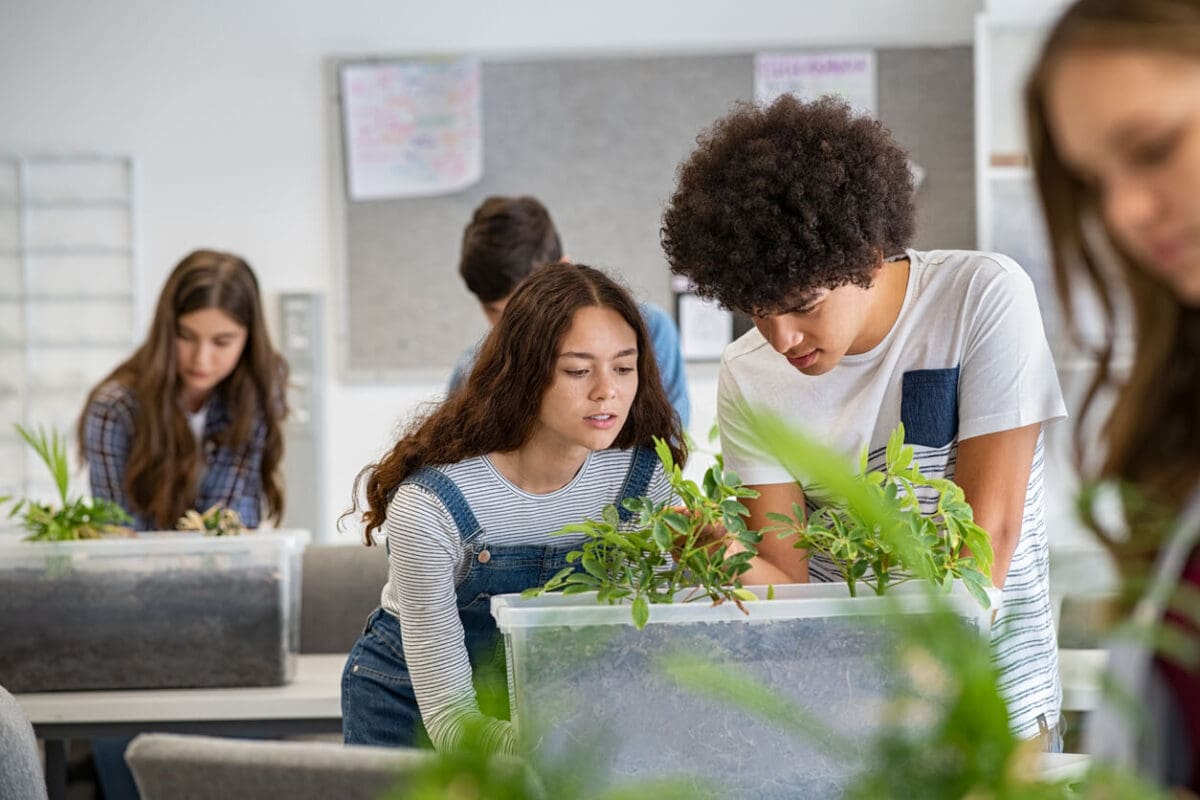
Education has traditionally centred on structured lessons, textbooks, and assessments within a classroom environment. While this approach provides essential knowledge, it does not always fully prepare students for the complexities of real-world situations. In recent years, experiential learning—where students engage in hands-on activities and practical experiences—has gained recognition as a more effective way to develop both understanding and essential life skills. By moving beyond theory and into active participation, experiential learning offers benefits that classroom-only education often struggles to deliver.
One of the primary advantages of experiential learning is its ability to deepen understanding. In a classroom, concepts are often explained abstractly, requiring students to imagine how they apply in real situations. Experiential learning removes this barrier by placing students directly into those situations. Whether it involves solving problems, completing challenges, or engaging in group activities, students are able to see and feel how concepts work in practice. This direct involvement makes learning more memorable and easier to retain, as it is tied to real experiences rather than passive observation.
Engagement is another key factor that sets experiential learning apart. Traditional lessons can sometimes struggle to maintain attention, particularly when students find it difficult to connect with the material. Hands-on experiences, on the other hand, naturally encourage participation. When students are actively involved in a task, they are more likely to focus, contribute, and take ownership of their learning. This increased engagement not only improves understanding but also fosters a more positive attitude toward education as a whole.
Experiential learning also plays a crucial role in developing practical skills. While classroom education often focuses on theoretical knowledge, many of the skills required in everyday life and the workplace are developed through doing. Communication, teamwork, problem-solving, and adaptability are all strengthened when students are placed in situations that require them to interact, make decisions, and respond to challenges. These skills are difficult to teach through lectures alone but emerge naturally when students are given the opportunity to apply themselves in real contexts.
Another important benefit is the development of confidence. Trying new activities, stepping outside familiar environments, and overcoming challenges all contribute to a stronger sense of self-belief. In a classroom setting, students may hesitate to participate due to fear of making mistakes. Experiential learning creates a different dynamic, where trial and error is part of the process and learning from mistakes is encouraged. As students navigate new experiences, they become more comfortable taking initiative and expressing themselves, which can have a lasting impact on their personal and academic growth.
The ability to learn from real consequences is another factor that enhances the effectiveness of experiential learning. In traditional education, outcomes are often limited to grades or feedback, which may not fully convey the impact of decisions. In practical settings, students can see the immediate results of their actions, whether positive or negative. This helps them develop a clearer understanding of cause and effect, encouraging more thoughtful decision-making in the future.
Experiential learning also supports collaboration in a way that classroom environments may not always achieve. Group activities require students to work together, share ideas, and support one another in achieving common goals. This fosters a sense of responsibility and mutual respect, as each individual’s contribution becomes important to the overall outcome. These experiences help build stronger interpersonal skills and prepare students for environments where teamwork is essential.
Exposure to new environments is another key advantage. Learning outside the classroom introduces students to different settings, perspectives, and challenges. This not only broadens their understanding but also helps them become more adaptable. Being placed in unfamiliar situations encourages students to think on their feet, adjust to new circumstances, and approach problems with a more open mindset. These qualities are increasingly important in a world that is constantly changing.
Structured programmes offered in dedicated environments can further enhance the impact of experiential learning. Locations such as Manor & Ashbury Resorts provide a wide range of activities designed to engage students in meaningful ways. By combining physical, creative, and problem-solving challenges, these experiences create a balanced approach to learning that supports both personal and social development.
Another significant advantage of experiential learning is its ability to cater to different learning styles. Not all students thrive in traditional classroom settings, where teaching methods may favour certain approaches over others. Hands-on experiences allow students to learn in ways that suit them best, whether through movement, interaction, or practical application. This inclusivity helps ensure that more students can engage effectively and reach their potential.
Looking at the broader picture, experiential learning complements rather than replaces classroom education. The combination of theoretical knowledge and practical application creates a more well-rounded learning experience. Students are able to understand concepts in depth while also developing the skills needed to apply them in real-world situations.
As education continues to evolve, the importance of experiential learning is becoming increasingly clear. By providing opportunities for active participation, skill development, and personal growth, it offers a more comprehensive approach to preparing students for the future.